What is Floor Skirting?
Floor skirting, also known as baseboard, is an essential yet often overlooked component in interior design. It adds a finishing touch to rooms, blending functionality with aesthetic appeal.
Floor skirting, or baseboards, is a trim that covers the lowest part of an interior wall. Its primary function is to cover the joint between the wall surface and the floor, giving the room a neat finish. Think of it as the border that frames your room, much like a frame around a painting, enhancing both the aesthetic and practical aspects of the space.
Purpose of Floor Skirting
Why do we need floor skirting? The reasons are both functional and decorative:
Protection: Skirting protects walls from kicks, abrasions, and furniture scrapes.
Concealment: It hides the gap between the wall and the floor, along with any wiring or uneven edges.
Aesthetic Appeal: Adds a polished look to any room, making the transition between wall and floor smooth and visually appealing.
Types of Floor Skirting
There are various types of floor skirting, each offering different looks and functionalities:
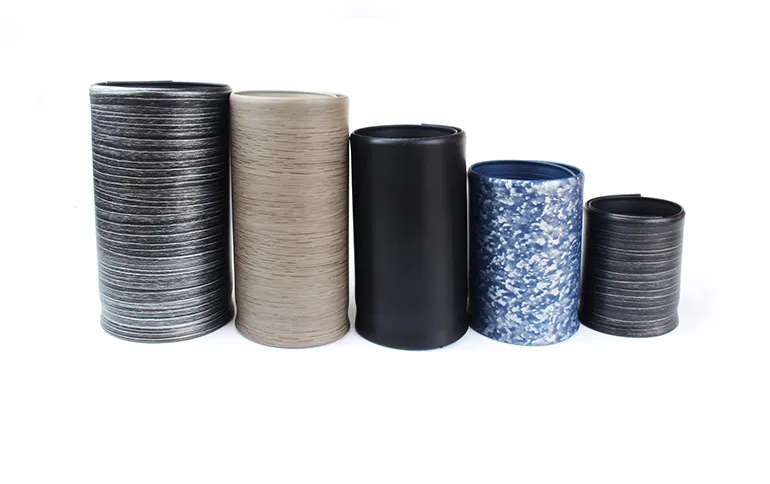
1. Wooden Skirting
Wooden skirting is traditional and highly versatile, fitting seamlessly with many interior styles.
2. MDF Skirting
Medium-density fiberboard (MDF) skirting is cost-effective and can be painted to match any decor.
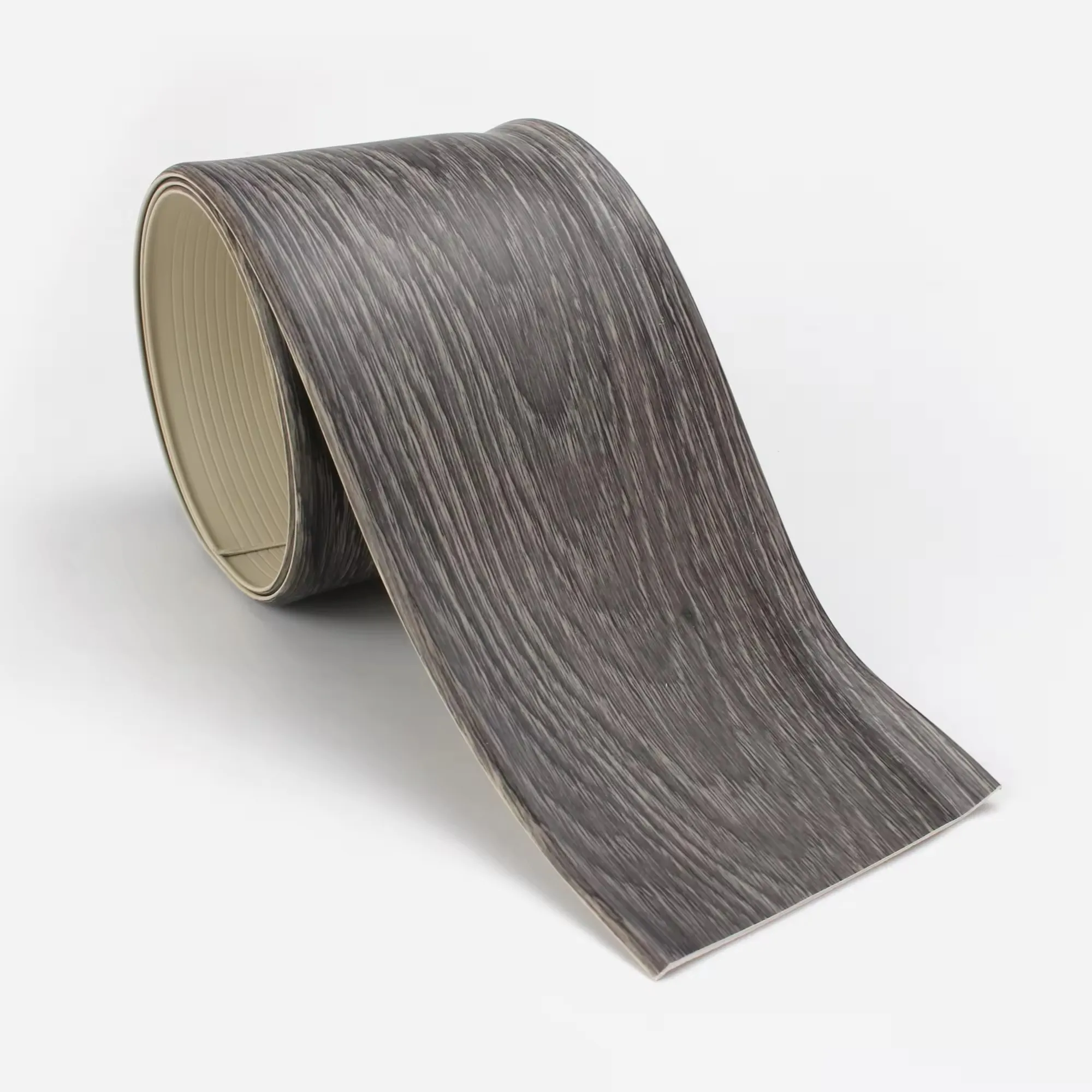
3. Vinyl Skirting
Vinyl is durable and moisture-resistant, making it ideal for areas prone to dampness, like bathrooms and kitchens.
4. Metal Skirting
Metal skirting is modern and sleek, often used in commercial spaces for a contemporary look.
5. Tile Skirting
Tile skirting is common in kitchens and bathrooms, providing a seamless look with tiled walls and floors.
Installation Process
Installing floor skirting might seem daunting, but with the right tools and steps, it can be a straightforward process. Here’s a simplified installation guide:
1. Measure and Cut
Measure the perimeter of the room to determine how much skirting you’ll need. Cut the skirting to fit, ensuring precise angles for corners.
2. Prepare the Wall
Ensure the wall is clean and smooth. If there are any gaps or uneven areas, fill them in to create a flat surface.
3. Attach the Skirting
Using adhesive or nails, attach the skirting to the wall. Make sure it’s level and secure.
4. Finishing Touches
Fill any gaps or nail holes with filler, then sand and paint if necessary for a seamless finish.
Choosing the Right Skirting for Your Space
Selecting the right skirting involves considering several factors:
1. Room Type
Different rooms may benefit from different skirting types. For example, moisture-resistant skirting is ideal for bathrooms.
2. Interior Style
Your skirting should complement the overall decor. Traditional styles may suit wooden skirting, while modern interiors might favor metal or MDF.
3. Budget
Cost is always a consideration. MDF and PVC are generally more affordable than wood or metal.
Maintenance and Care
Proper maintenance ensures your skirting stays looking great for years. Here’s how:
1. Regular Cleaning
Dust and clean skirting boards regularly to prevent build-up of dirt and grime.
2. Avoid Water Damage
Be mindful of water exposure, especially with wooden skirting. Wipe spills promptly and use waterproof materials in high-moisture areas.
3. Repainting and Repairs
Over time, skirting may need repainting or minor repairs. Fill any cracks or gaps and apply a fresh coat of paint as needed.
Common Issues and Solutions
Even the best skirting can encounter issues. Here are some common problems and how to fix them:
1. Gaps and Cracks
fill gaps with caulk or filler and sand smooth before repainting.
2. Water Damage
If water damage occurs, replace affected sections with moisture-resistant materials.
3. Loose Skirting
Reattach loose skirting with nails or adhesive for a secure fit.
https://www.chemisttruehealthproducts.com/
https://www.barleyconstruct.com/
https://www.b2blinkedinbootcamp.com/
https://www.equipmentsbook.com/


评论
发表评论